The cultural dimension of your immersion
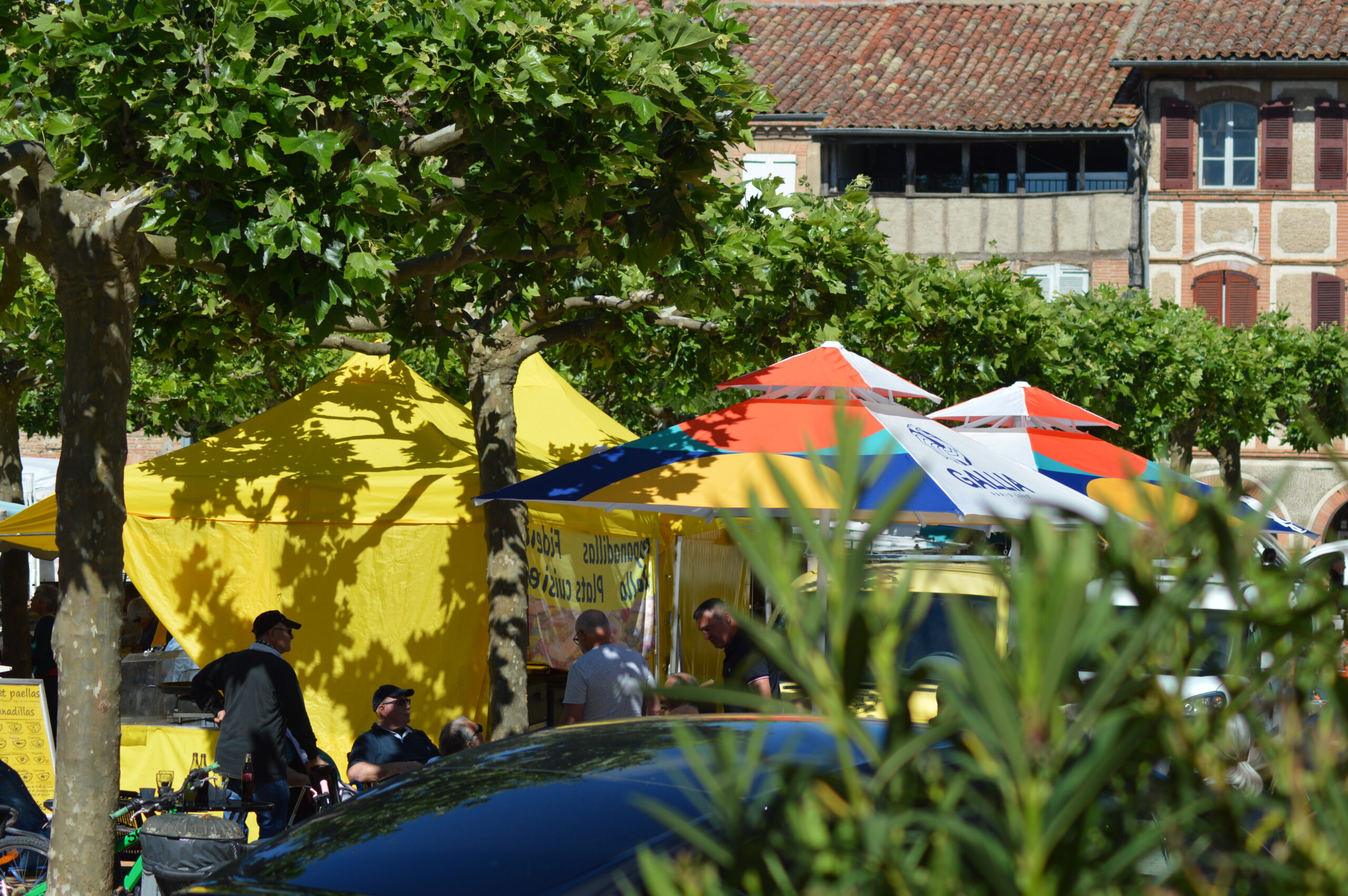
The Gaillac region offers a wealth of experiences, each one a distinctive invitation into the language. Markets, vineyards, medieval villages, cafés, museums and local events all become part of your week as lived moments that open space for conversation, listening, and genuine connection.
The visits and activities on offer bring depth and texture to your immersion, allowing French to be encountered in its most natural setting — through the people, the places, and the flow of everyday life.
1. A region rich in experiences
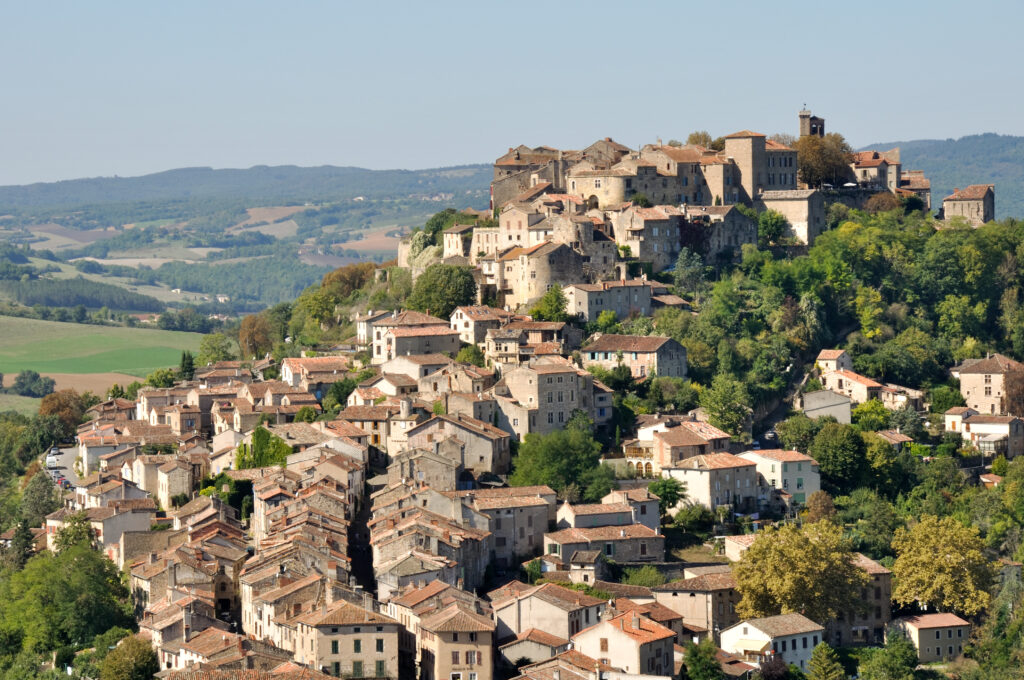
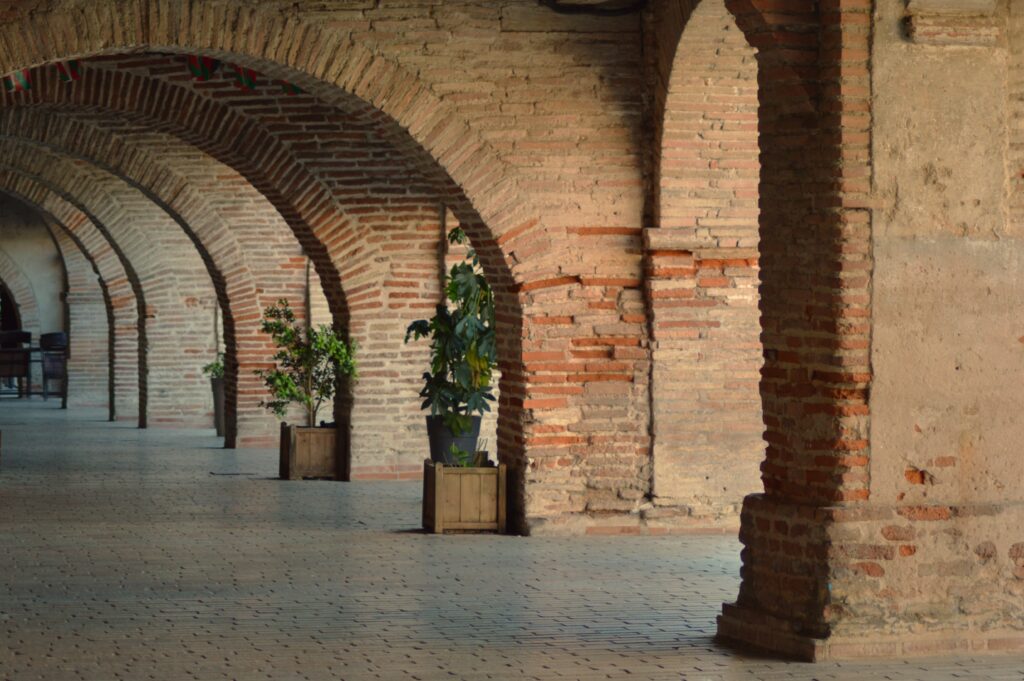
Often referred to as “the Occitan Tuscany”, the Gaillac countryside is a landscape shaped by more than two millennia of human presence. One of the oldest vineyards in France, with its own indigenous grape varieties, sits alongside bastides and fortified towns where the medieval fabric remains woven into everyday life, supported by long‑standing artisanal traditions – ceramics, glassmaking or pastel dyeing – that continue to define the region’s identity.
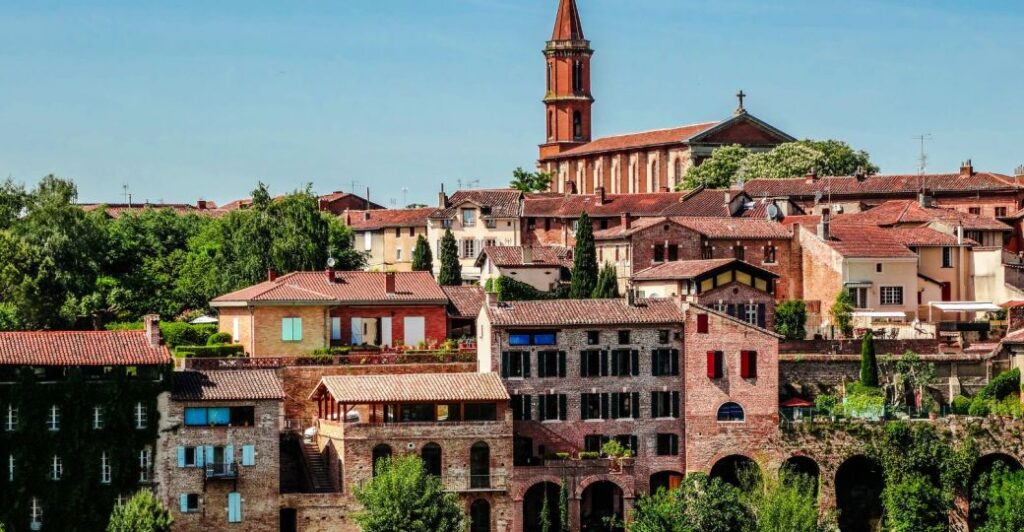
Less than an hour away, Toulouse, France’s fourth‑largest city, and Albi, listed by Forbes in 2026 among Europe’s most culturally rich destinations, each provide access to major regional institutions, a rich historical heritage and a lively café culture.
2. The role of cultural activities
Cultural activities are an essential part of your immersion because they place the language in situations that are real and naturally engaging. The diverse interactions they lead to — be it an encounter, a spontaneous exchange, or a moment of focused listening — each offer their own way of meeting the language.
Rather than mere opportunities to practise, these experiences create contexts in which you get to connect words with places, with gestures, with scents. They complement the structured sessions by giving French a tangible presence in the world around you, helping it settle more deeply and more intuitively as the week progresses.
3. From activity to learning situation
The range of activities that are included in your week create the conditions for different modes of interaction within the cultural environment that underpins your immersion. Guided visits provide opportunities to engage with descriptive language and structured speech, while a moment in a food market invites quick responses and short, practical exchanges. A wine tasting opens the door to sensory lexicon and relaxed dialogue, while walks provide space for continuous chat and gentle fluency work. Cafés expose you to the rhythms of everyday conversation, while encounters with local residents bring an element of authenticity and call for a more casual, personal register.
All those situations weave the language into your day, making each experience an integral and meaningful part of your immersion. Here are a few concrete examples of activities that can be included in your schedule:
- Within a few kilometres of our home, about a dozen wine estates offer guided visits and tastings. These are occasions to meet local winegrowers, talk about their year‑round work, and understand what gives Gaillac wines their distinctive character.
- Nearby, Lisle‑sur‑Tarn and Castelnau‑de‑Montmiral are two of the most remarkable bastides in Occitanie. They provide a calm, beautiful setting for a guided conversation on the main square, over a coffee and a croissant.
- Shopping for food at the Gaillac market, held every Friday morning, is another sensory experience. You will be given the task of getting the produce from a list we will have discussed beforehand.
- You can join the Lisle‑sur‑Tarn hiking club for a two-and-a-half-hour walk with local residents, a relaxed moment for spontaneous conversation while enjoying the landscape.
- In Toulouse, the former slaughterhouses now house the contemporary art museum Les Abattoirs. A 90‑minute guided tour of the scheduled exhibition, often combined with a relaxed lunch nearby and a leisurely walk through the city, offers a more urban experience. Alternatively, a guided visit of Albi’s historic centre can be arranged.
- A visit and tasting at the chocolate museum in Lisle‑sur‑Tarn is a pleasant way to work with sensory language and learn from local makers about chocolate production, while a guided tour of the Pastel Museum, just outside Toulouse, brings in the lexicon of craft and colour.
- For film lovers, an outing to the Imagin cinema in Gaillac offers the chance to test your comprehension with a recent French release (don’t expect subtitles!), and those interested in birds may be able to join a guided birdwatching walk, subject to availability.