

The spirit of your immersion
When you arrive in our home in the Gaillac countryside, you step into a lived environment where French is simply part of the day: meals shared together, conversations in the garden or on a café terrace, walks through the vineyards or in the streets of nearby villages. Your immersion begins as you settle into the house and ease into the rhythm of local life.
Your learning journey is both supported by structured lessons and shaped by the real situations you encounter each day. Throughout your stay, I guide your progress with the insight that comes from many years of teaching French to adults. By observing how you engage with the language, I tailor my input to your needs and focus on what will help you move towards greater ease and confidence.
Read on for a detailed overview of our programme.
1. How your learning unfolds
Each day you spend here brings situations that invite you to use French. These experiences are not ends in themselves, as they also provide material for the work we do together. We take time to look back at what felt easy, what was more challenging, or what you wished you could have expressed differently. This allows us to clarify meaning, explore new ways of phrasing a question or an answer, and open possibilities for further interactions.
As the week progresses, I adjust the level, the pace and the type of input I offer. Now we may examine a point of grammar, now work on pronunciation, vocabulary, or focus on listening – whether as part of a dedicated learning session or in the flow of a less structured moment of the day.
This interplay between what you live and what we explore together anchors your progress in experience and creates the conditions for you to readily reinvest what you learn throughout your stay. And so, the language becomes less something you work out and more something you inhabit.
2. A week built around you
No two immersion weeks are the same. What you bring — your learning aims, your interests, your level — helps set the tone of your stay. We explore this in depth during an introductory online exchange before you finalise your booking. It informs the drafting of your day‑to‑day schedule, always with the understanding that the experiences and encounters that shape your immersion week generate their own learning material — often more vivid and memorable than anything a conventional classroom could offer — and become part of your path into the language.
3. A typical day
Each day of the week is structured around a morning, an afternoon, and an evening session. Mornings are usually dedicated to focused one-to-one work — lessons, guided practice, or in‑depth conversation — held either at home or at a café, depending on the day’s rhythm. Afternoons open onto visits, walks, wine tastings and other cultural outings; they also offer quieter moments at home or in the garden for guided listening, reflection, or informal conversation. Evenings are a time for conviviality and sociability, whether around a meal at home or out locally, with French still present but in a gentler, more relaxed register.
4. Activities and experiences
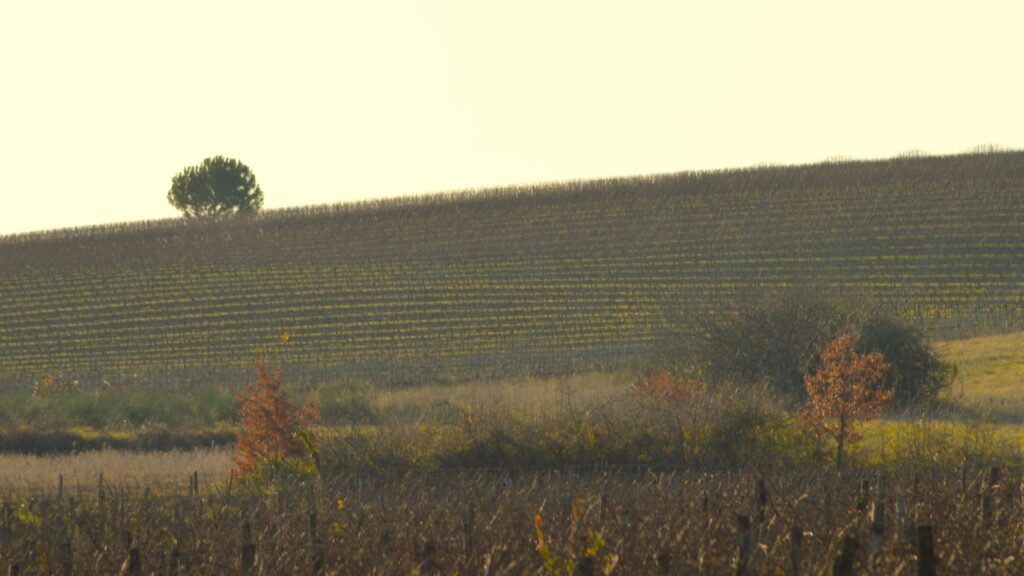
Your immersion includes a wide range of cultural and everyday experiences woven naturally into the week. Visits to local vineyards, museums, markets, or historic sites sit alongside walks in the forest, time in cafés, and encounters with people from the area. An afternoon may include a guided listening session, a reading moment, or some other quiet activity at home. Meals out, community events and informal social occasions also play a part. Each activity is chosen for its linguistic value, its cultural depth, and its ability to open a window onto daily life in this part of France.
5. The learning goals
The programme as a whole is designed to help you develop a more organic relationship with the language by softening the boundary between learning and using French. As the week progresses, speaking often becomes more natural and less effortful, and listening tends to feel clearer. The variety of situations — structured work, everyday encounters, cultural activities, and quieter moments at home — together with the inherently relational nature of the immersive mode help the language settle in a deeper, more durable way. We want you to leave with a renewed sense of ease, a sharper ear for nuance, and a more confident way of engaging with French whenever the occasion arises.
6. An environment conducive to learning
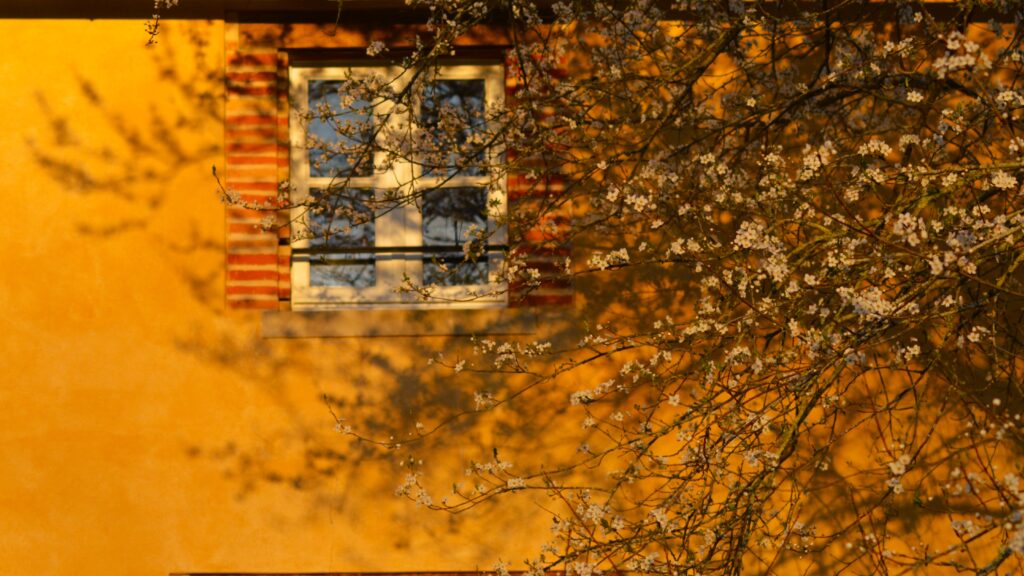
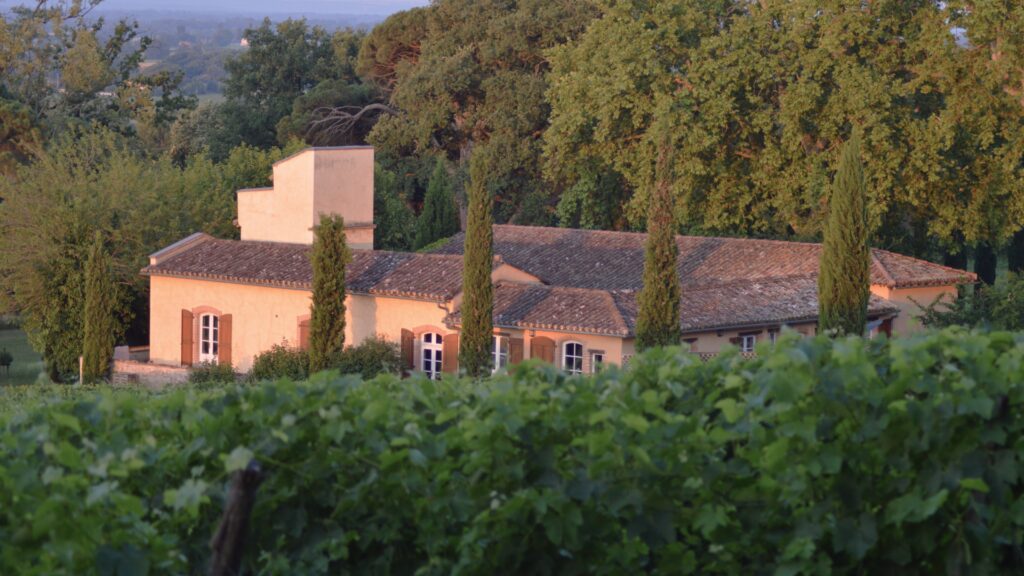
From your own quiet, comfortable space where to rest and reflect, to the bright, spacious study where lessons take place, everything at home is arranged to support focused, unhurried learning. Our house sits among the hillside vineyards of the Château de Saurs, in a peaceful spot with wide, open views over the valley. The 1.5‑acre garden offers quiet places to sit among the cypresses or in the shade of a mulberry tree, whether to relax, read, or write. Gentle walks through the forest or among the vineyards help clear the mind and bring a sense of ease. This is a serene and restorative environment that gives you room to unwind and recharge, creating the conditions for steady, lasting progress.
7. The programme in practice
An immersion stay lasts one or two weeks, depending on the time you have and the depth of work you wish to undertake. The programme is entirely individual, shaped around your level and your way of engaging with the language. You may also choose to come as a pair: two friends, two colleagues, or a couple — each with their own room if desired, and both sharing the same programme of lessons and activities. Everything takes place in French, from the structured sessions to the shared meals, allowing you to remain immersed in the language throughout the day.
You are welcomed in a household where French is the natural language of daily life. My wife, who is English and speaks French at an advanced level, will be your hostess throughout the stay. She takes part in the shared moments of the day and will speak to you in French, offering a warm, authentic presence and bringing her own perspective as an English speaker who lives the language and the culture every day.
As your teacher, I remain fully available over the whole course of your stay — during the structured sessions, of course, but also throughout the coached activities and the informal moments that give an immersion its richness. Questions arise naturally, conversations continue at the table or during a walk, and the language becomes part of the day rather than something you dip in and out of. This steady presence is there to support and guide while providing ample space for reflection and curiosity.
Before your stay
Prior to any booking, I will invite you to a video call (via Zoom) so that we can get to know each other, discuss any questions you may have, and take a moment to explore your level and learning goals together. The meeting will help us both prepare for an immersion week that truly suits your needs.
In the meantime, if you have any queries or would like to know more about the programme, feel free to contact us.